
Lake Frederick Biologist Report 2025
Department biologists and technicians sampled Lake Frederick two times during the month of May. Biologists use boat electrofishing gear to collect the fish and time their sampling effort. As a result biologists can track the number of fish per hour of electrofishing or catch per unit of effort (CPUE). The CPUE as well as other metrics like growth and mortality are then monitored annually to determine the overall health of the fish population. Four permanent sites are sampled annually. The sites are located along the dam, east arm, and west arm of the lake (Map 1). In total, 526 fish were collected during the two nights of sampling. Biologists continue to monitor the lake carefully after Blueback Herring and Gizzard Shad were accidentally or illegally introduced into the lake. Both species were discovered in the spring of 2021. It is assumed that both species were a result of “bait bucket” introductions. We would like to remind anglers to dispose of their bait properly at the end of each fishing trip, never release bait into the wild. Fortunately, the gizzard shad have not been able to reproduce so far. However, the blueback herring population has exploded. Anglers using sonar will easily spot bait balls within the main basin of the lake, often with a school of bass in tow. Biologists are worried about this recent introduction because it can and has decreased the numbers of sunfish within the reservoir. Bank fishing success can also be inhibited by the herring as the largemouth are drawn out to the middle of the lake into more pelagic habitats.
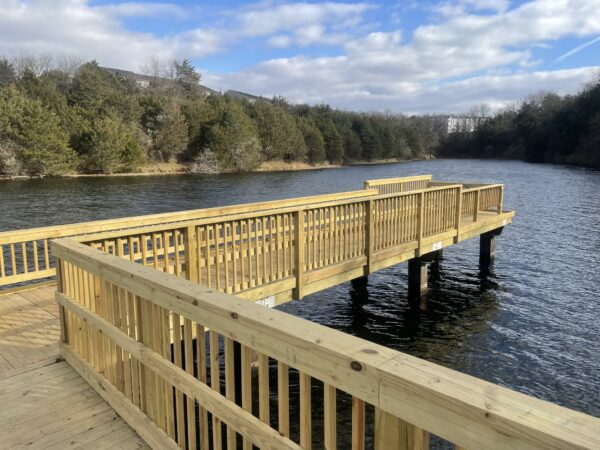
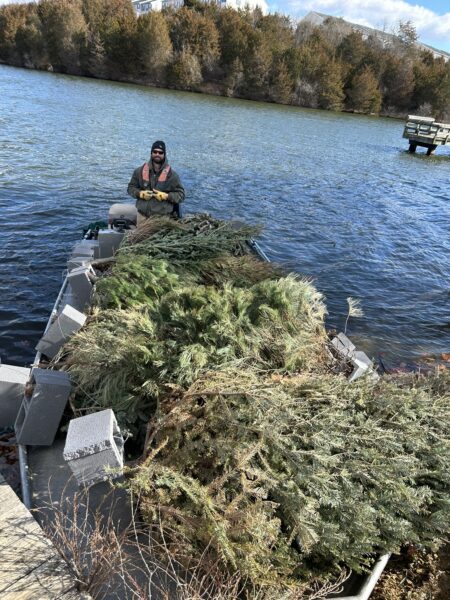
In other news, Gregory’s Lakeside Bait and Tackle reopened a new bait hut on the property. It features a much larger selection of bait and tackle within a brand new facility. Come check it out and rent a boat or kayak the next time you visit the lake. The fishing pier was also refurbished. VDWR continues to partner with Warren County to deliver 200 Christmas trees to the lake in January of each year. Local anglers and members from the community all pitched in to help construct fish reefs that were later deployed by VDWR staff members. Check in with the staff at the bait hut for specific information regarding the fish reef locations. Anglers may notice a creel survey taking place at the lake. Staff from the bait hut work on a monthly schedule to interview anglers after they have completed their trip. These data are some of the most important and most difficult for biologists to collect. Knowing what species anglers target, how many they catch and harvest, as well as the money anglers spend are incredibly valuable metrics to help biologists successfully manage the fishery. Please take moment to talk with the bait hut staff when they ask for an interview.
Largemouth Bass
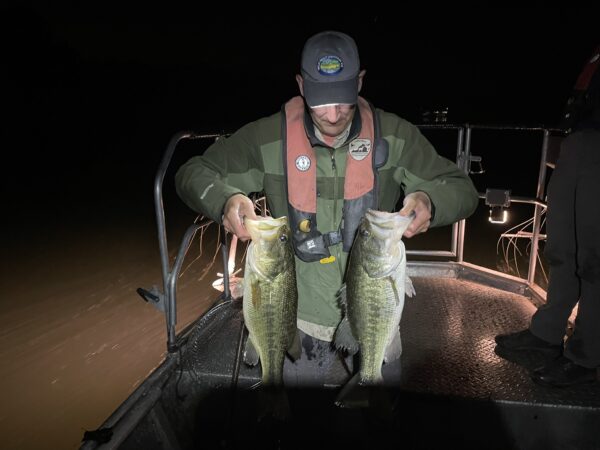
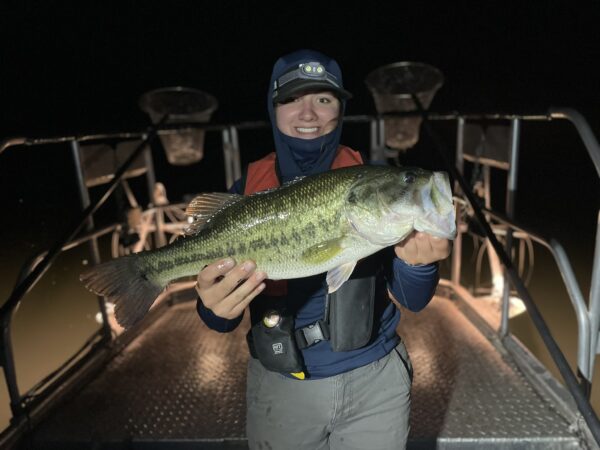
The largemouth bass population is stable, but has gone through some changes over the past 4 years. A large majority of our 2025 sample consisted of fish measuring 8-15”, however the lake still produces a number of quality sized bass (Figure 1). 89% of the largemouth sampled are considered adults or stock sized fish (>8”), within that group 59.3% are considered quality sized largemouth >12”, 22% were >15” and 1% were >20”. When 40-60% of the adult sample is made up of quality bass the population is considered balanced. If you look at the historic catch rates in figure 2 you will notice the total catch rates over the past four years have been below the long-term average. This is largely a result of poor juvenile survival. Over the past 6 years only one sample yielded a juvenile catch rate above the long term average (Figure 3). 2025 yielded a juvenile catch rate well below the long term average. Blueback Herring compete directly with young sunfish and bass by consuming a large portion of plankton within the lake. We are concerned that this may be reducing juvenile bass survival. In the long term, this may not be a terrible result as small impoundments often become overpopulated by stunted bass. However, if juvenile bass survival becomes too low angler catch rates will drop. For now the overall catch rate is stable and slowly climbing so that is a good sign. To help provide better juvenile habitat, biologists are promoting natural aquatic vegetation growth by prohibiting the stocking of grass carp. This will allow some of the vegetation to return and provide structure within the nursery areas of the lake. The Christmas tree reefs constructed each winter also provide good juvenile habitat.
Lake Frederick has historically produced the best quality largemouth bass fishery in the Shenandoah Valley. Anglers have wrestled largemouth up to 10 pounds from the lake in recent years. Compared to bass from more southern latitudes, largemouth in Lake Frederick exhibit slow growth rates. It takes around 5-6 growing seasons for a bass to reach 15″ in Lake Frederick. The primary forage for largemouth bass are numerous small bluegill, redear and black crappie. The addition of pelagic species like Gizzard Shad and Blueback Herring adds yet another prey option for the opportunistic largemouth and it seems like they are taking advantage. The number of quality and preferred sized bass has increased over the past six years. Anglers should have no trouble finding a bass with shoulders in 2026.
Biologists are also experimenting with stocking Smallmouth Bass into Lake Frederick. 1,300 fingerlings were stocked in the summer of 2025. These were surplus fish produced by the Front Royal Fish Cultural Station for the Smallmouth Bass Stocking Program. The goal of stocking Smallmouth is to help control the Blue Back Herring and provide an exciting sportfish for anglers to catch. Biologists will continue stocking and evaluating this new population over time.
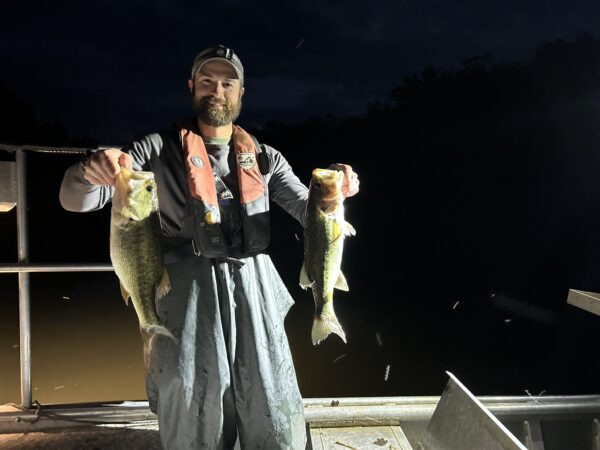
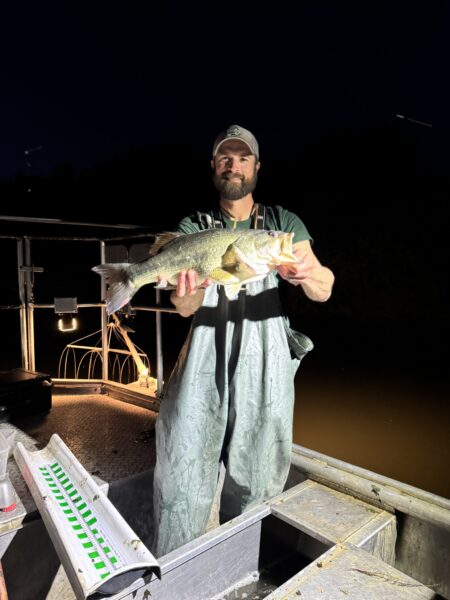
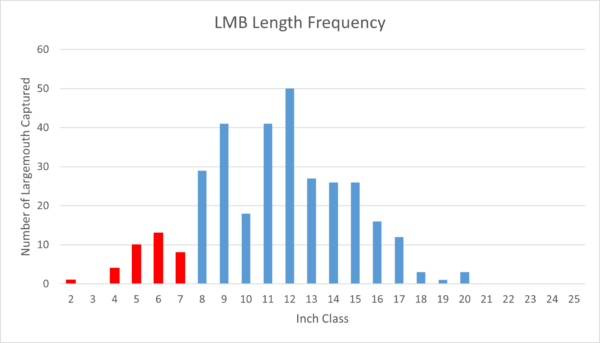
Figure 1: Number and lengths of largemouth bass collected from Lake Frederick in Spring 2025. Juvenile bass (less then 8 inches) are represented with red bars, while adult smallmouth bass are shown with blue bars.
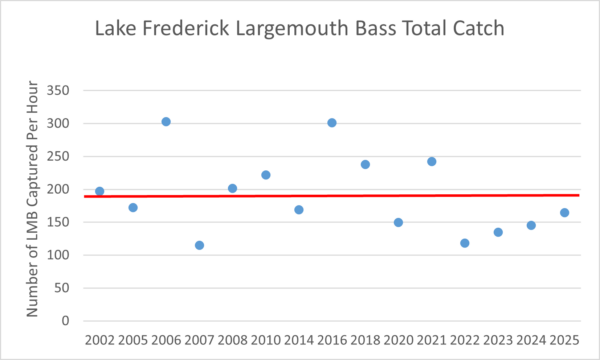
Figure 2: Annual catch of largemouth bass from 2002 – 2025 in Lake Frederick, the red line represents the historic average catch rate.
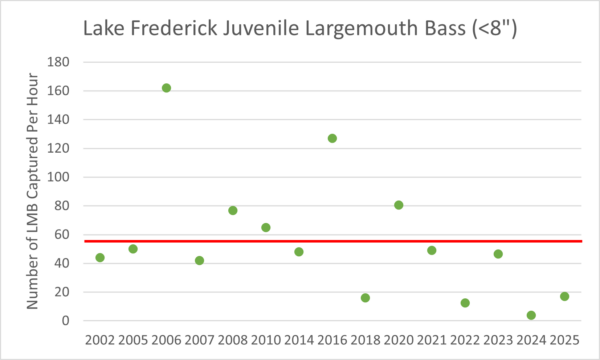
Figure 3: Annual catch of juvenile bass <8” from 2001 – 2025 in Lake Frederick, the red line represents the historic average catch rate.
The clear water of Lake Frederick often makes it difficult to catch bass. Bass often become suspended in the submerged standing timber that surrounds much of the shoreline. Anglers need to fish different depths until they locate fish. Night fishing during the summer months can also be productive. Some of the largest bass are caught during the pre-spawn in the months of March and April. Sonar fishing during the colder months can also be productive. Bank anglers should target the month of May during the herring spawn, when the bass are drawn in shallow to feed on the writhing schools of Bluebacks.
Sunfish
Lake Frederick is home to a variety of sunfish species including Bluegill, Redear, and Green Sunfish. In 2025, a total of 167 sunfish were collected. Bluegill sunfish and redear sunfish were the most abundant sunfish collected and ranged from 2-10 inches in length. As predicted, the blueback herring are having a negative impact on the sunfish population. Overall numbers of sunfish have decreased dramatically over the past 6-7 years (Figure 4). Despite the reduction in overall numbers, there are still quality sunfish present especially within the Redear population. 61% of the redear captured were >6” while only 13% of the bluegill exceeded that mark. Anglers have been successful using live bait such as crickets and red worms to catch these “whopper” panfish. The fishing pier is an excellent area for new anglers to hone their skills by catching some of these dinner plates with fins.
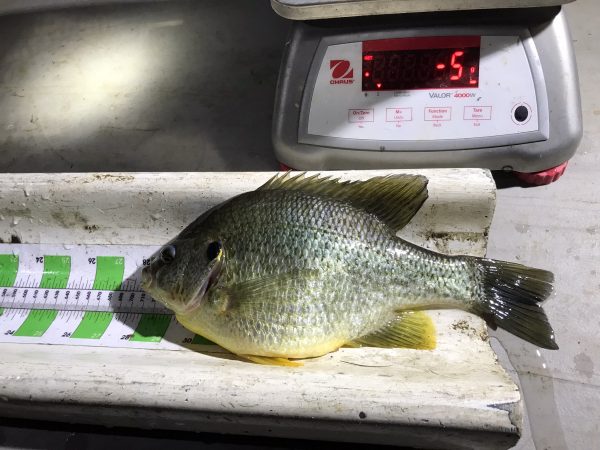
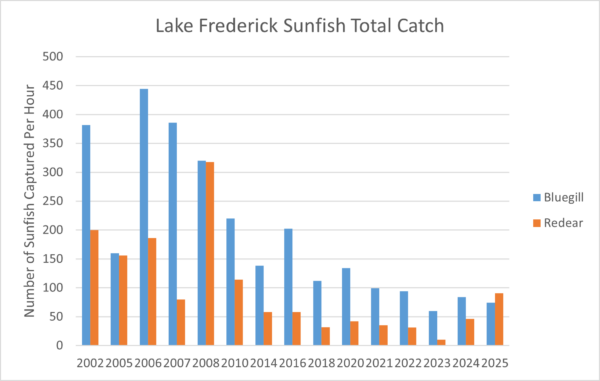
Figure 4: Annual catch of Bluegill and Redear Sunfish from 2001 – 2025 in Lake Frederick.
Crappie
Biologists have not conducted any specific sampling targeting crappie in recent years, but the population appears to be healthy. Anglers report decent numbers of harvestable size (8-10″) crappie available, especially around the brush piles near the boat ramp. Anglers should focus on the breast of the dam and around the fishing pier in the spring when water temperatures reach the mid 50’s. Later in the year try targeting the fish habitat structures scattered throughout the lake. Live minnows and small jigs should be the best baits.
Channel Catfish
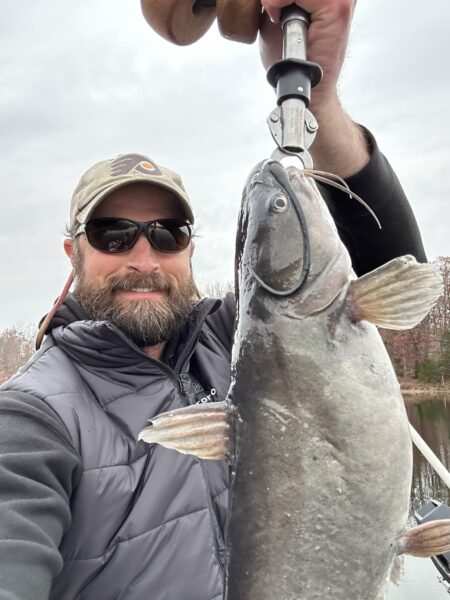
Channel catfish are stocked annually by the Department and Lake Frederick provides anglers with a great opportunity to catch a tasty meal. In the fall of 2025, 1,580 ten-inch channel cats were stocked into the lake. During our two nights of sampling we netted 19 cats ranging in size from 6-24 inches. Catfish anglers should use cut bait, nightcrawlers, or commercial catfish baits to entice them into biting.
Northern Pike
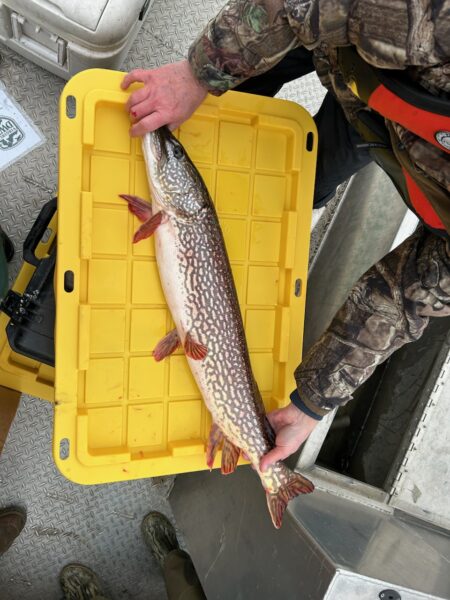
Northern Pike are stocked periodically to provide diversity to the fishery as well as a challenging trophy fish for anglers to target. A few Pike are caught each year typically in early spring or during the winter. Their sizes range 20-35”. In the spring 200 northern pike fingerlings were stocked into Lake Frederick.
Walleye
Historically Walleye were stocked annually in Lake Frederick. However, due to low fishing pressure and low population numbers stocking was discontinued. Regardless, anglers continue to catch a few walleye each year. It’s probably not worth specifically targeting these fish at the lake, but they are a nice surprise when you hook into one. Fantastic table fare.
Northern Snakehead
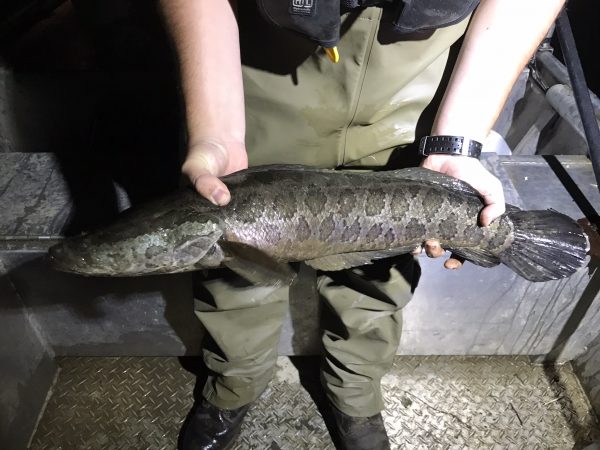
Fortunately, for the past few years, no snakehead have been collected by biologists or by anglers.
Anglers are required to report snakeheads kept but are not required to kill them if caught and immediately released. Snakeheads must be dead if in possession (contained in live well, cooler, etc.) However, the Department asks that all snakeheads be killed if possible. If an angler wishes to keep a legally caught northern snakehead, the fish must be killed to be in possession, and the angler must call the hotline or other DWR contact and report the angler’s last name, date of catch, location of catch, and size. Kill the fish by:
- removing the head,
- separating the gill arches from the body, or
- removing the internal organs and put it on ice as quickly as possible.
For More Information: https://dwr.virginia.gov/fishing/snakehead/
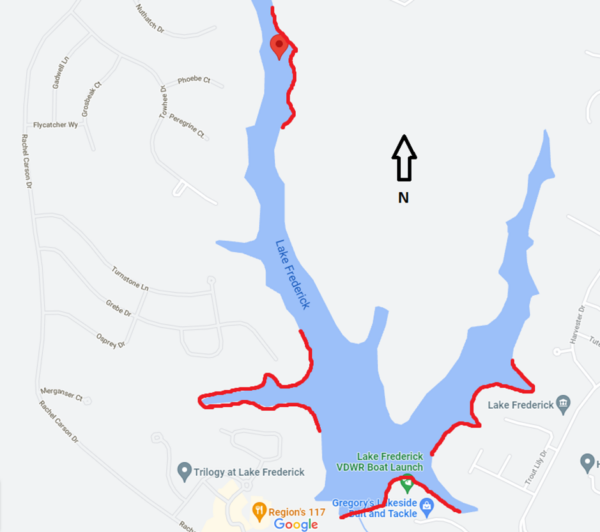
Map 1: VDWR Sampling Site Locations