
By Leah Card/DWR
Did you know that biologists at the Virginia Department of Wildlife Resources (DWR) use wildlife sighting reports from the public to help monitor populations for the rare, elusive, and invasive species in Virginia? It’s true!
From the vulnerable eastern spotted skunk that has experienced steep population declines over the past century, to the recently returned fisher and porcupine populations in the north and west, to the invasive nutria in the southeast, reports from the public play a vital role in tracking the range—and sometimes spread—of these elusive animals. Reports for Species of Greatest Conservation Need (SGCN), which includes the eastern spotted skunk, Allegheny woodrat, and eastern hog-nosed snake, can provide important information on the distribution, habitat requirements, and potential threats for the species.
Reports for invasive nutria and feral hogs can allow eradication programs to focus efforts in the right places to stop the spread of these destructive mammals. Generally, these species are challenging to survey due to their low abundance and nocturnal, elusive behavior.
Public reports often include photos or video recordings from trail or security cameras. Additionally, some animal sightings are reported from roadkill observations. Read below on the various rare wildlife species that DWR is tracking. Not sure what you saw? That’s okay. Go ahead and report the observation and include any photos or videos, location details, and a description of the animal. Please note that a photo or video is needed to confirm the sighting.
To report a rare wildlife sighting, please go to the Virginia Rare Animal Observations Form on the DWR website. See below for how to report river otter, eastern hog-nosed snake, and woodland box turtle observations. For nutria or feral hog reports, please contact the Virginia Wildlife Conflict Helpline at 855-571-9003. Nutria can also be reported using this website: cbnep.org/report-a-nutria.
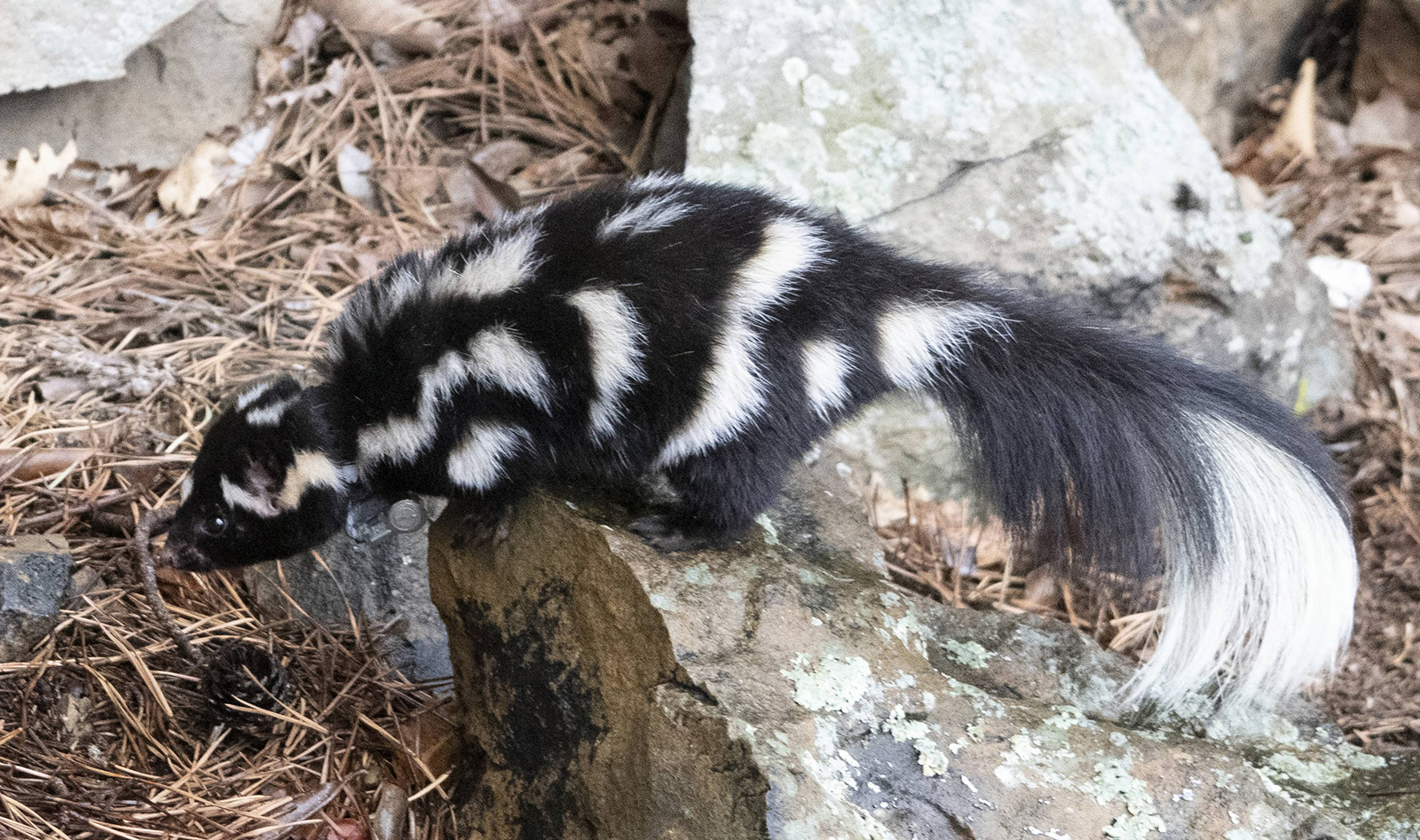
Photo by Grayson Smith/USFWS
RARE: Eastern Spotted Skunk (Spilogale putorius putorius)
About half the size of a house cat, the eastern spotted skunk is one of the smallest skunks, with short legs and a long, bushy tail with a white tip. This species has a black coat with four broken white stripes and white patches in front of the ears and on the forehead above the nose. In addition to this unique appearance, the spotted skunk has a characteristic handstand defense mechanism that makes it appear larger. Unlike their striped skunk cousins, spotted skunks are excellent tree climbers and frequently build nests, hunt, and forage up in the trees. Within Virginia, this SGCN Tier 4c species is found in the foothills of the Blue Ridge and further west.
More about the spotted skunk Report a spotted skunk sighting
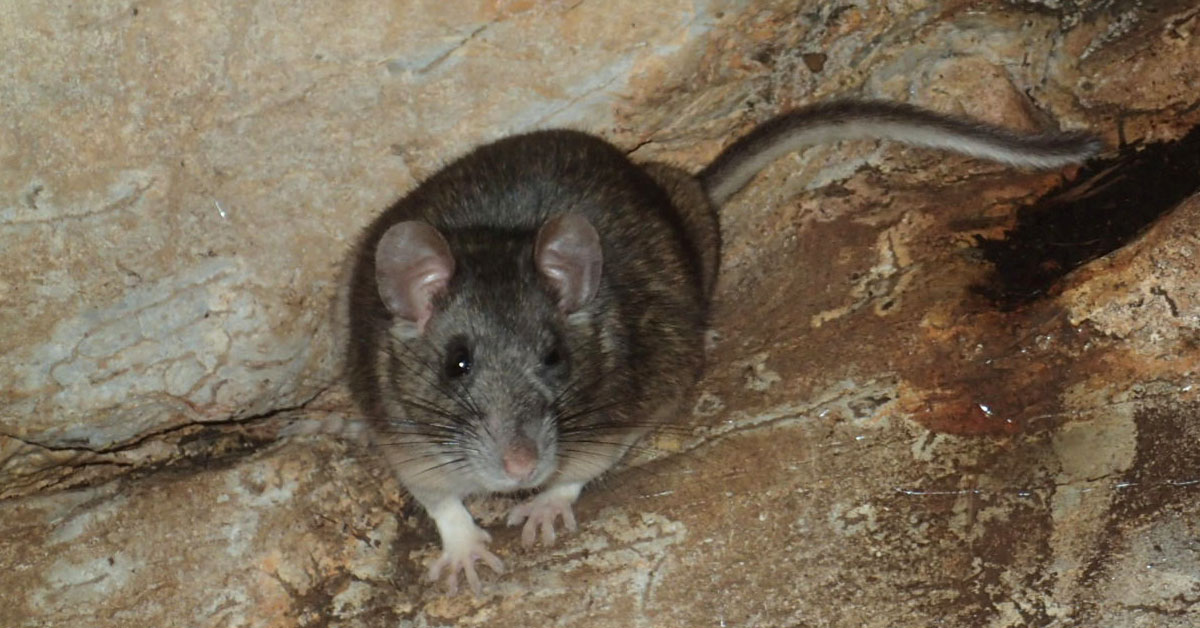 RARE: Allegheny Woodrat (Neotoma magister)
The Allegheny woodrat, a SGCN Tier 4a, is found in Virginia from the Blue Ridge westward, generally where cliffs, rock slides, or caves are present. A medium-sized rodent of grayish brown color with a white or grayish belly, this species has a soft coat; large, black, protuberant eyes; and large and sparsely haired ears. While they may look like Old World black or brown rats, the Allegheny woodrats are more closely related to the other North American mice and rats and have distinctively furry tails. This native species is adaptable to various habitats, living in caves and rock slides where available in the mountains, and in the woods and swamps.
More about the Allegheny woodrat Report an Allegheny woodrat sighting
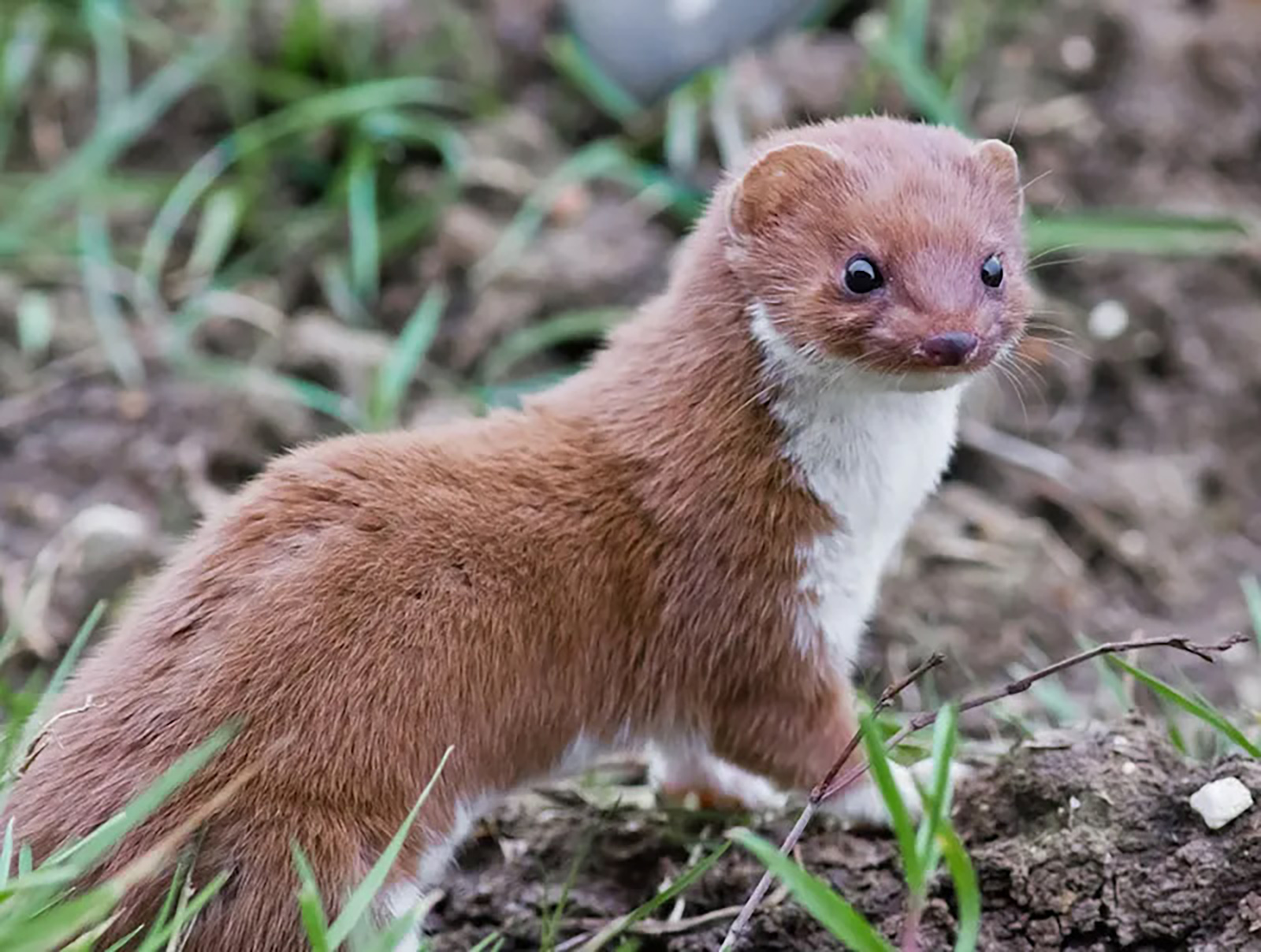
Photo by Cliff Watkinson
RARE: Least Weasel (Mustela nivalis allegheniensis)
Virginia’s smallest carnivore—smaller than a chipmunk—the least weasel has dark brown fur and a white underside. In Virginia, the least weasel is native throughout the western portion of the state, with the Blue Ridge generally defining the eastern edge of its range. Due to their small size and secretive nature, least weasel populations can be difficult to monitor.
More about the least weasel Report a least weasel sighting
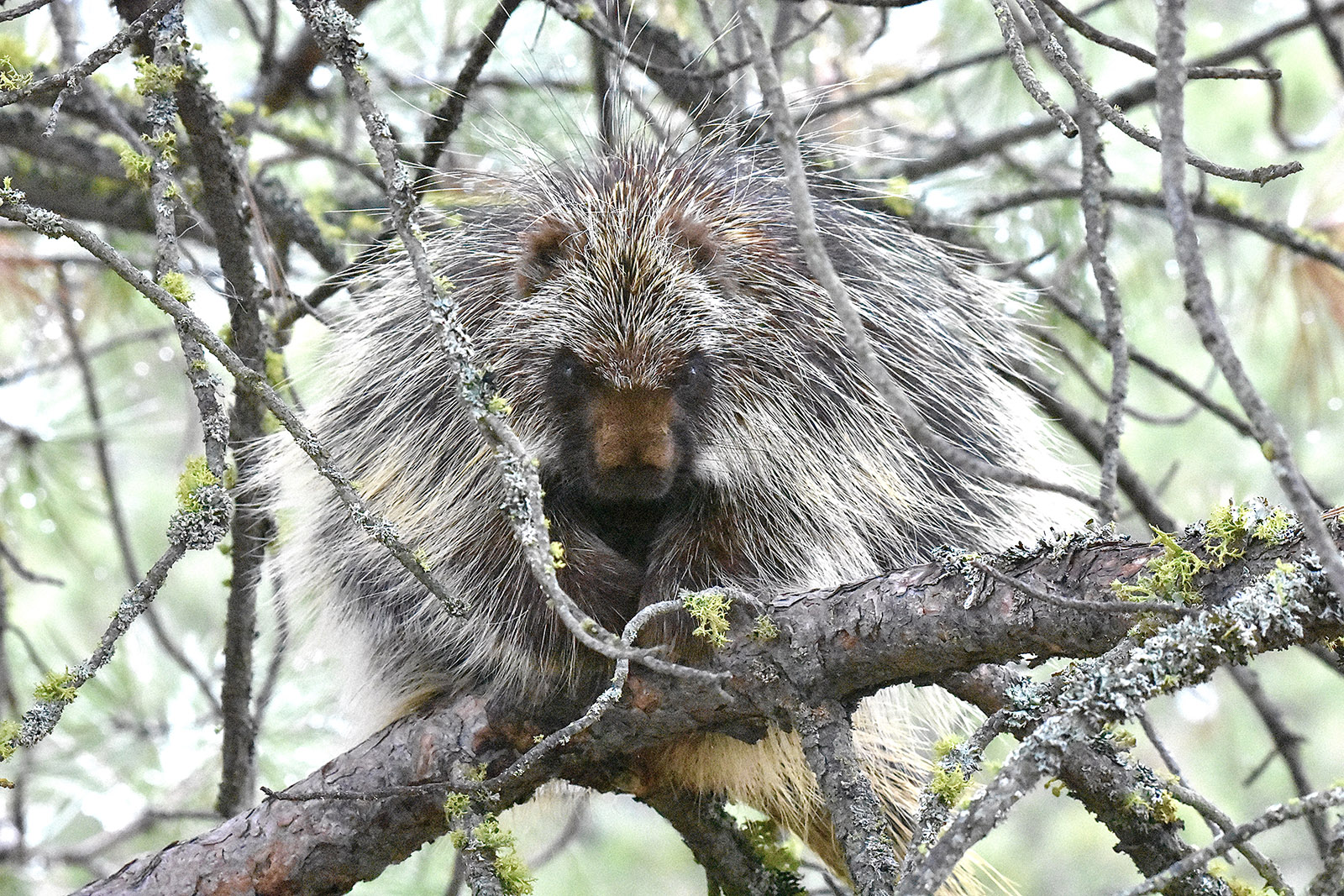
Photo by Rich Zywiak/USFWS
RARE: North American Porcupine (Erethizon dorsatum)
This is the only mammal in North America that has coat hairs that are modified as quills. The coat tends to be dark-colored, although chestnut, cream, brown, gray, and albino porcupines have been seen. The porcupine has a small face, with a blunt muzzle and a tapering head and neck. Porcupine were historically present in Virginia but were likely extirpated from the state by the mid-1800s. There were a few reports of porcupines observed in Virginia in the late 1900s. In recent decades, populations have been increasing in Pennsylvania and West Virginia, resulting in a range expansion southward and eastward into Virginia. An increasing number of porcupines have been observed in Virginia over the past 20 years, predominantly in the northern and western counties.
More about the porcupine Report a porcupine sighting
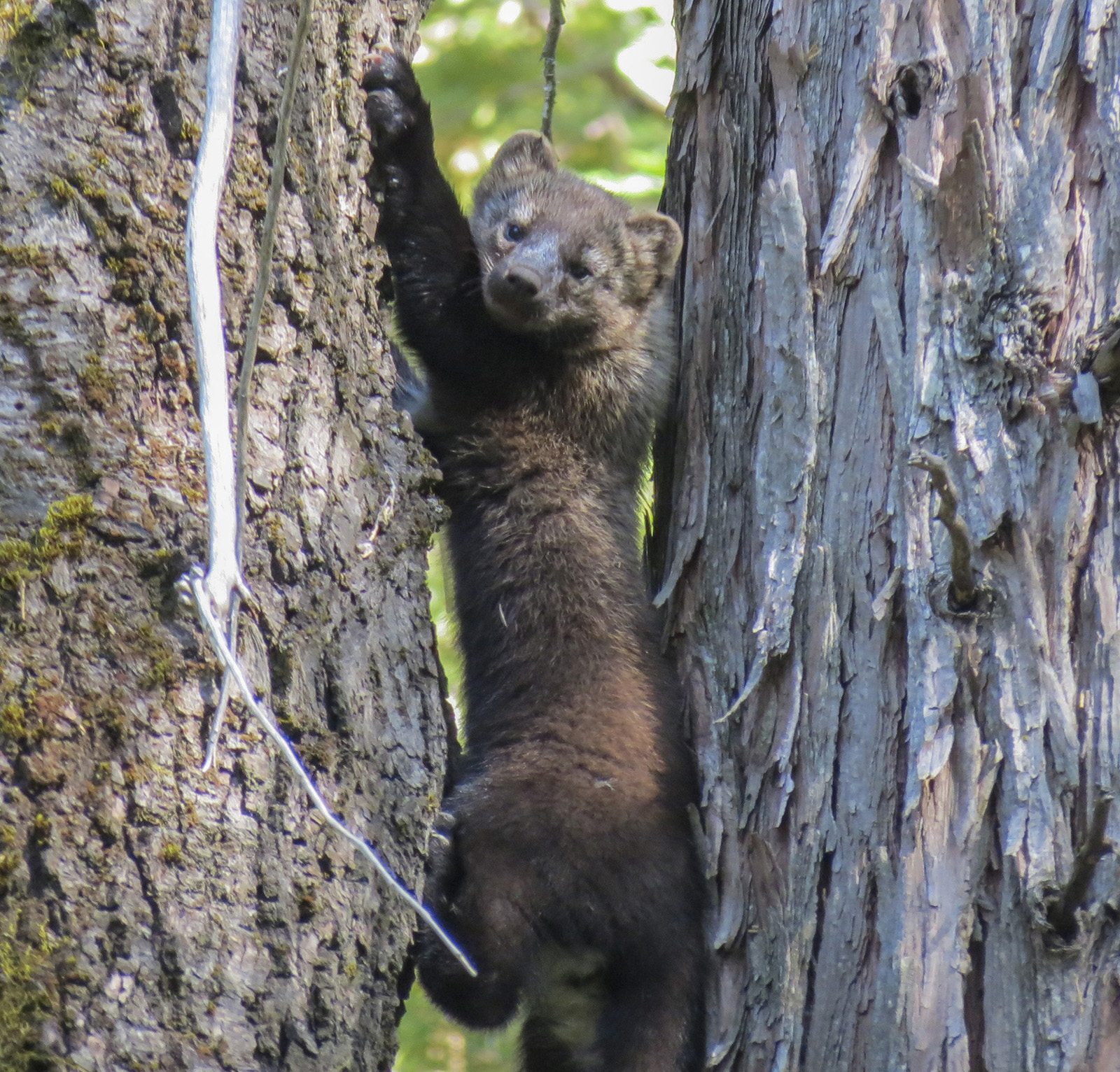
Photo by USDA Forest Service
RARE: Fisher (Pekania pennanti)
Historically, fishers were likely widespread in the mountains of Virginia. They survive best in extensive forest and wilderness areas with dense canopy, but they can be seen in more developed areas. The fisher’s home range can be large. However, fishers were extirpated from the state by the late 1800s due to habitat destruction and excessive trapping and shooting. Wanderers from West Virginia started appearing along Virginia border areas in the 1970s and ’80s, likely dispersers from a reintroduction program in West Virginia. In the past 20 years, more fishers have been sighted in Virginia, predominantly in the northern and western counties such as Augusta, Bath, Botetourt, Clarke, Frederick, Giles, Page, Loudoun, Rockingham, Shenandoah, and Warren. The fisher has an elongated, fox-sized body, short legs, and ears that are small and rounded. The tail is long and bushy, and the fur is dark and soft with white patches on the chest and lower regions. Fisher can look similar to the common mink but are larger, have a broader face, more prominent ears, and a long bushy tail. Mating dens are usually high in hollow trees, or in rock crevices.
More about the fisher Report a fisher sighting
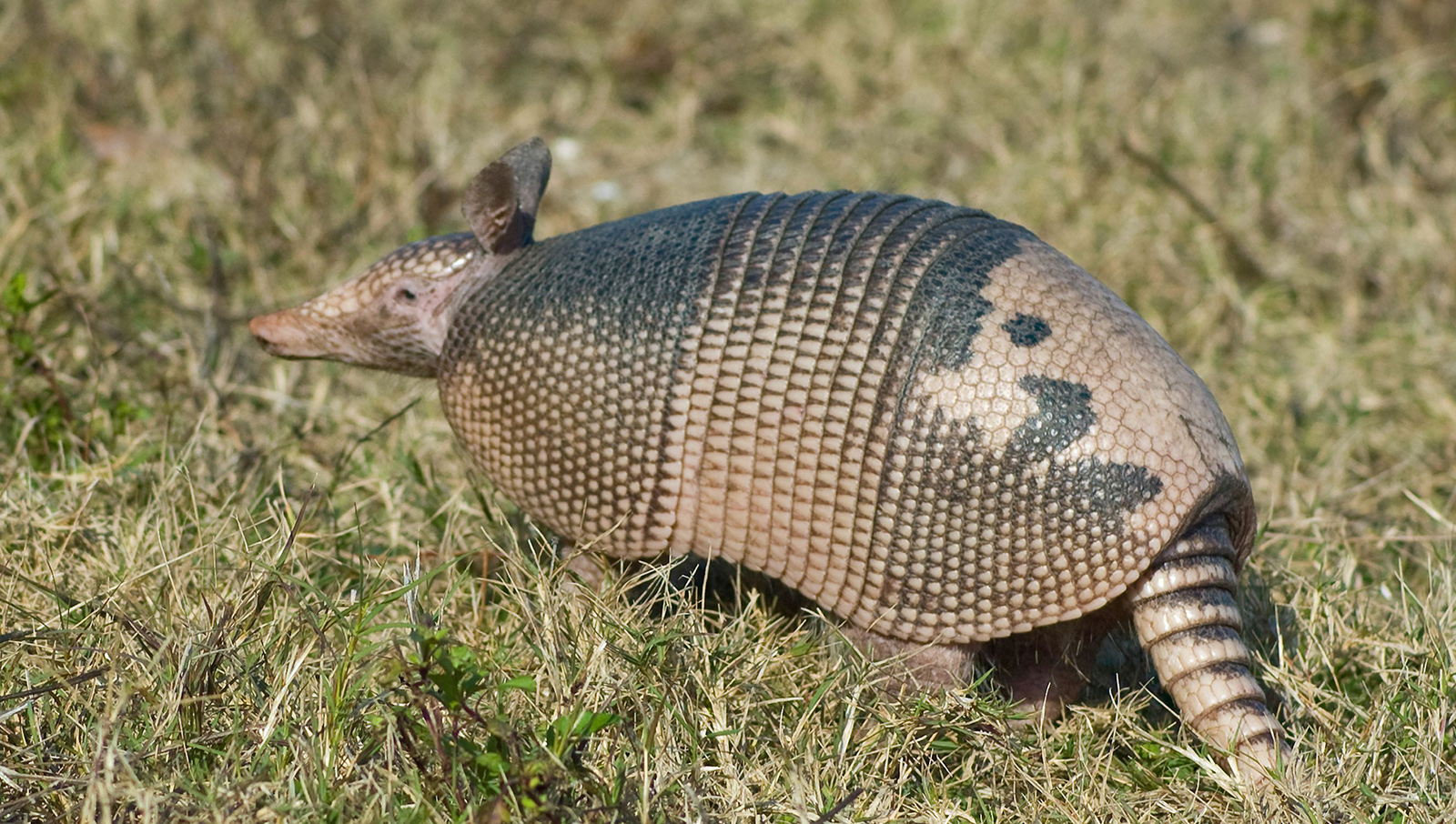
Photo by Carole Robertson/USFWS
RARE: Nine-Banded Armadillo (Dasypus novemcinctus)
The nine-banded armadillo is the only armadillo species found in the wild within the United States. They are armored with bony, dermal plates and have short, stocky legs and a relatively small head. Though not native to Virginia, the armadillo has been found in the southwest part of the state since 2019 as the species expands its range eastward and northward across the U.S. While still quite rare in Virginia, there have been about a dozen confirmed sightings in southwest Virginia. Armadillos have been confirmed in the following counties: Buchanan, Lee, Montgomery, Pulaski, Russell, Washington, Wise, and Wythe.
More about the nine-banded armadillo Report a nine-banded armadillo sighting
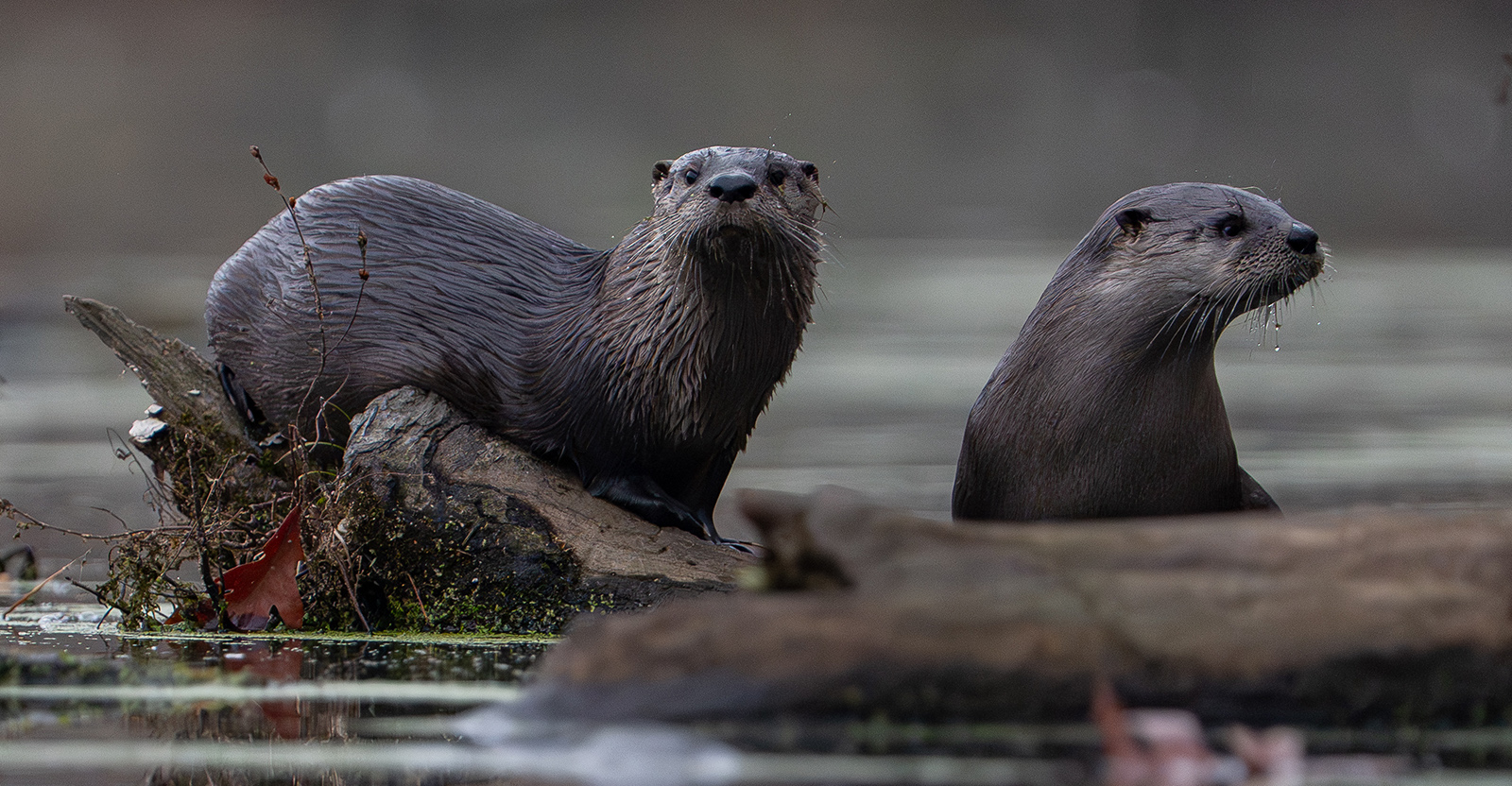
Photo by George Garrett
ELUSIVE: Northern River Otter (Lontra canadensis lataxina)
This species has a large, weasel-like, long, and slender body with small eyes, ears, and head, short legs, webbed toes, and a muscular, tapering tail. The fur is dense, soft, short, and rich brown above, paler below. River otters can be found throughout Virginia, but are most abundant in food-rich coastal areas and the lower parts of streams and rivers. Semi-aquatic or almost entirely aquatic, river otters use drift piles, logjams, and tree roots, and occasionally duck blinds or abandoned boat houses. River otters are a major conservation success story as they have made a strong comeback over the last half century. To better understand otter distribution and health, DWR has joined the Chesapeake Bay Otter Alliance, which is collecting observation data for river otters in Virginia and Maryland.
More about the river otter Report a river otter sighting
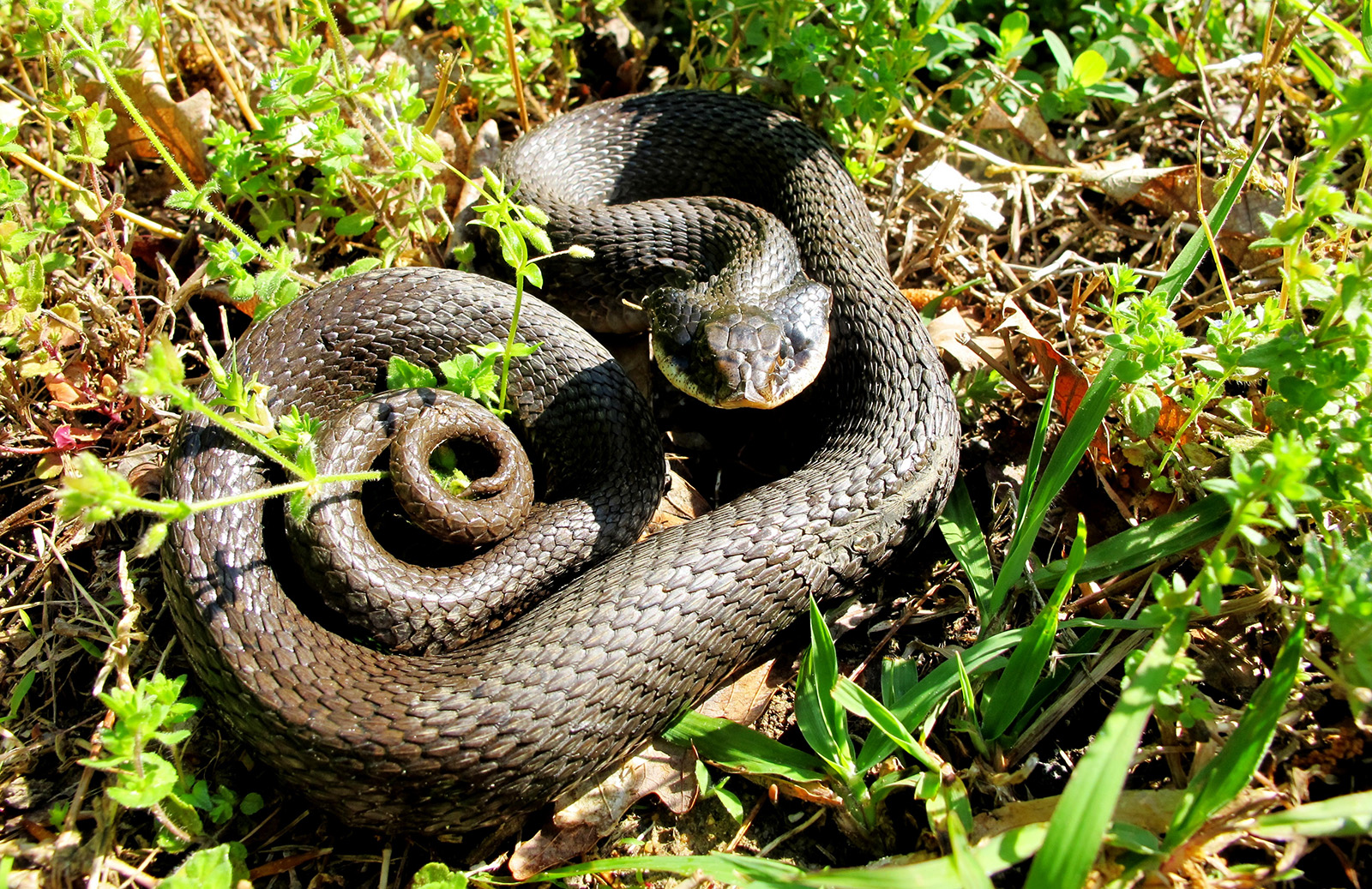
Photo by J.D. Kleopfer/DWR
ELUSIVE: Eastern Hog-nosed Snake (Heterodon platirhinos)
This harmless snake is known for its characteristic upturned snout, various color patterns, and dramatic death-feigning behavior. It is listed as a SGCN Tier 3 based on the decreasing or complete lack of observations over the past several years in areas where it was once a relatively common encounter. The Virginia Herpetological Society and DWR have partnered to initiate a community biology program: Operation Hognose.
Report a hog-nosed snake sighting
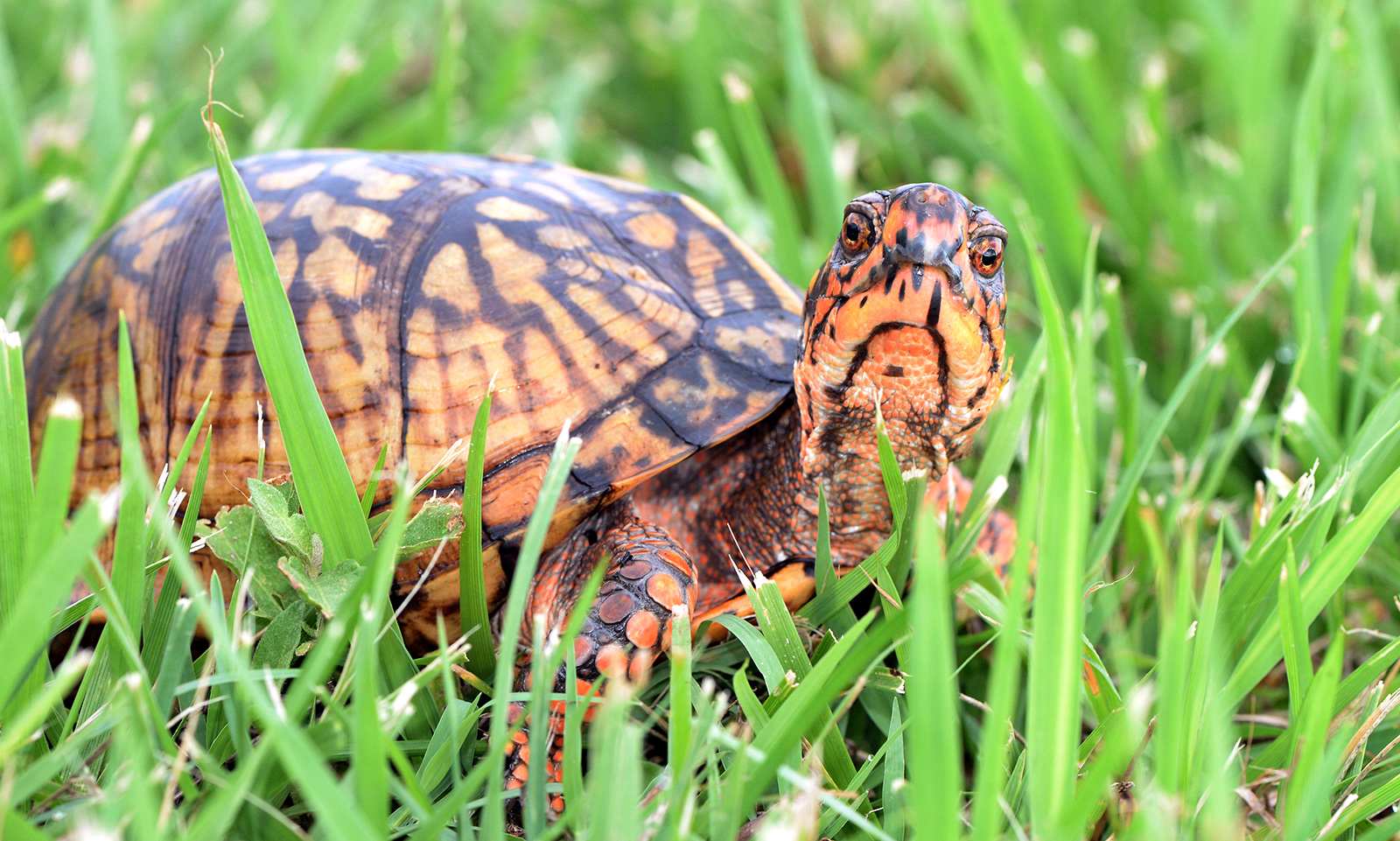
Photo by Stuart McCausland
ELUSIVE: Woodland Box Turtle (Terrapene carolina carolina)
The woodland box turtle occupies a variety of wooded habitats throughout the state of Virginia, such as hardwood forests, mixed oak-pine forests, pine flatwoods, maritime oak forests, hardwood swamps, and edge habitat near agricultural areas. The shell is highly domed, elongated, and smooth on the rear edge. The rear edge may be flared in some adults. The color is brown, or sometimes black, with orange to yellow spots, blotches or lines, the pattern of which varies greatly.
More about the woodland box turtle Report a woodland box turtle sighting
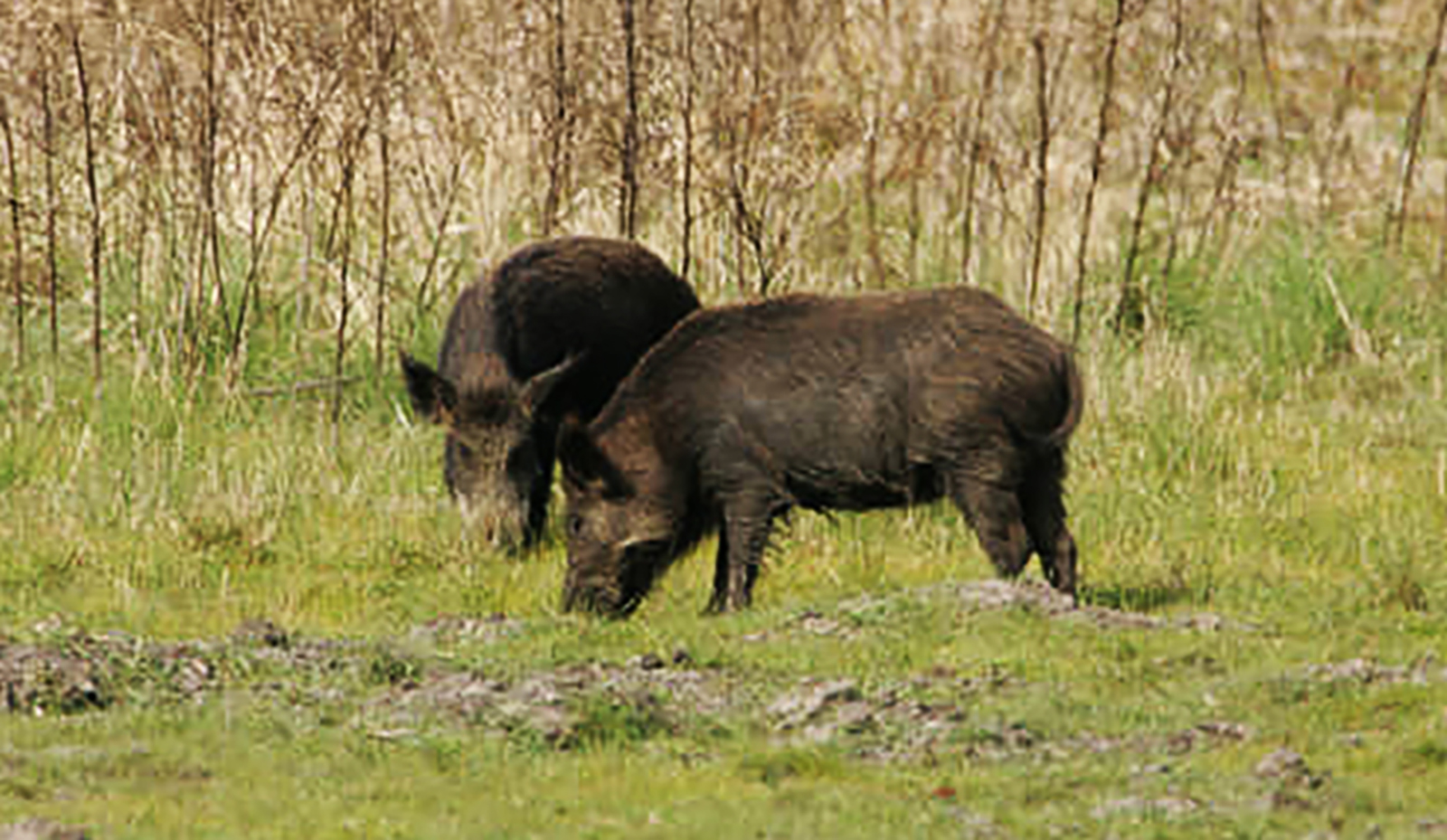
Photo by USFWS
INVASIVE: Feral Hog (Sus scrofa)
Feral hogs, or feral pigs or swine, cause damage to wildlife habitat wherever they exist. Feral hogs often carry diseases or parasites that can be passed to livestock, pets, hunting dogs, or in some cases humans. Feral hogs in Virginia are defined as “any swine that are wild or for which no proof of ownership can be made” and are designated as a nuisance species per the Code of Virginia (§29.1-100) and the Virginia Administrative Code (4VAC15-20-160). Escaped domestic hogs can become feral hogs if not recaptured and kept in an agricultural capacity. If you see or have evidence of feral hogs, please report it to the Virginia Wildlife Conflict Helpline at 855-571-9003.
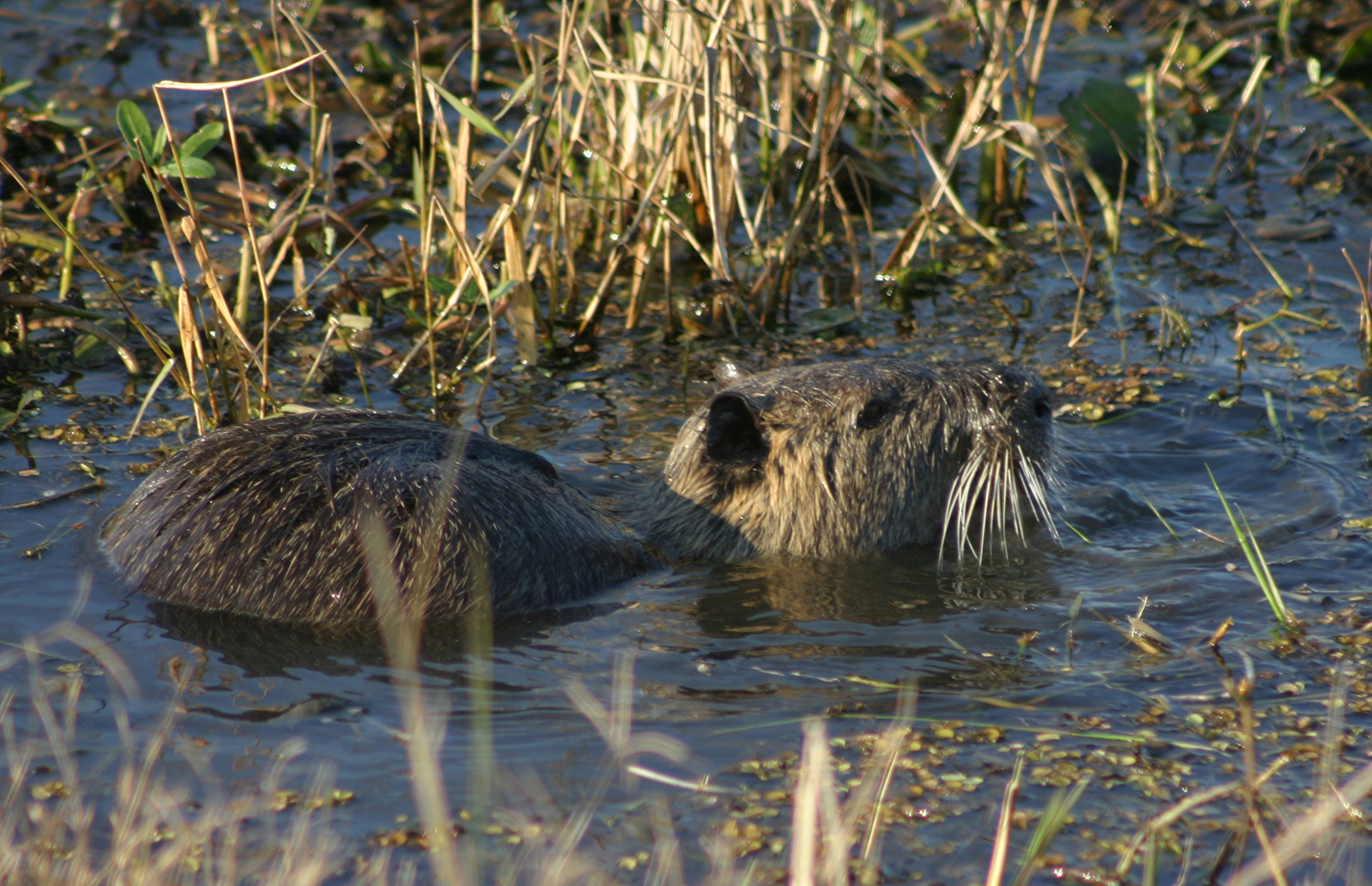
Photo by Steve Hillebrand/USFWS
Nutria (Myocastor coypus)
Nutria are large, invasive, semi-aquatic rodents. Covered with fur, rat-tailed, and web-footed, they’re similar in appearance to the native muskrat, but much bigger and far more destructive. With their large orange, beaver-like teeth, nutria will eat just about every plant that grows in a marsh. They are capable of mowing down and digging every available acre of wetland landscapes, turning them into bare patches of mud that then become eroded to open water. Nutria crossed into Virginia from North Carolina, creeping their way along the eastern coastal rivers and wetlands. It took them 50 years to expand their range north of the James River, but the Chickahominy is currently the northernmost river system they’ve entered in Virginia.
More about nutria Report a nutria sighting
Leah Card is DWR’s Furbearer Project Leader.




This article originally appeared in Virginia Wildlife Magazine.
For more information-packed articles and award-winning images, subscribe today!
Learn More & Subscribe