
The future of Virginia’s wildlife relies on people who participate.
Take part in science by contributing valuable observations or collecting data that support wildlife research, conservation, and management across the Commonwealth. Whether you’re exploring your backyard, visiting a local park, or finding other ways to enjoy the outdoors, there are many ways to get involved and make a meaningful contribution. Explore the opportunities below to get started.
Join a Citizen Science Project
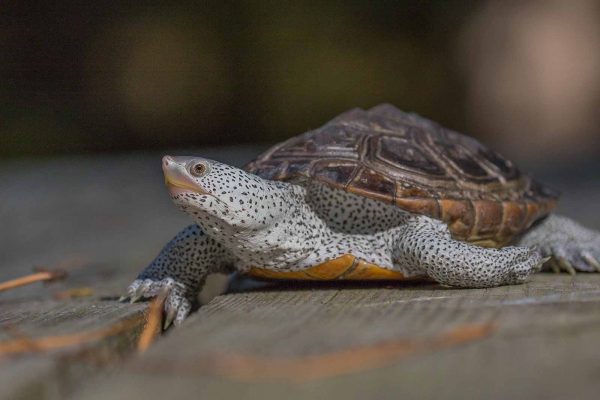
Diamondback Dash
Volunteers conduct standardized kayak surveys from May to October to record diamondback terrapin sightings and support conservation and shoreline management.
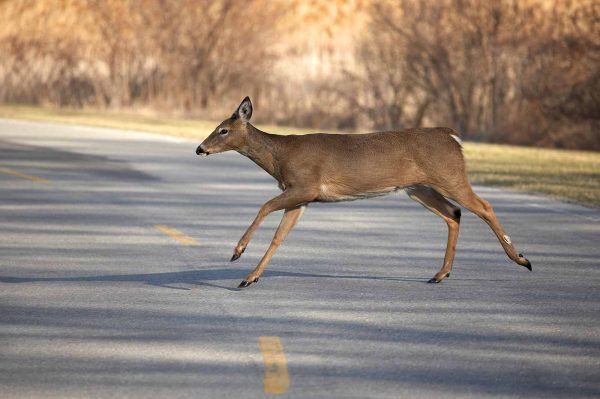
Virginia Roadkill Observation and Monitoring (VROM)
Partner organizations survey assigned road segments weekly to document wildlife-vehicle collisions and inform safety and conservation planning.
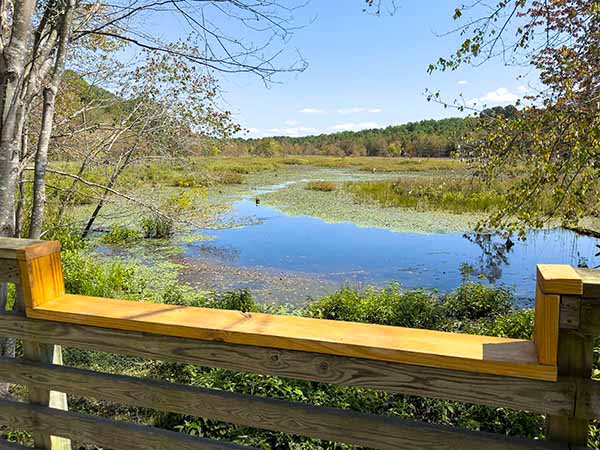
Accessibility Monitoring along the Virginia Bird and Wildlife Trail
Enrolled Virginia Master Naturalists assess trail sites for accessibility barriers and contribute their findings to the Birdability Map.
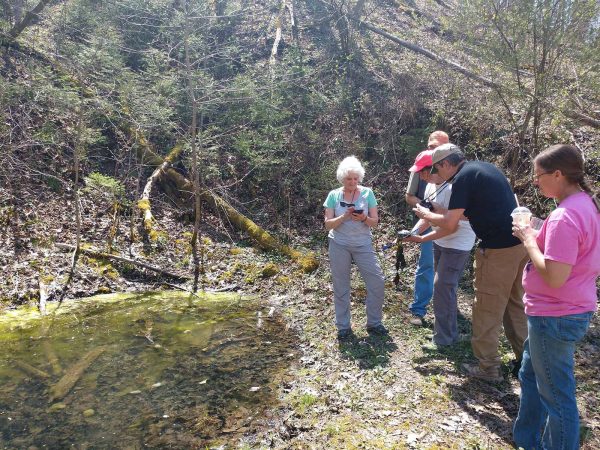
Vernal Pools Cooperative
Enrolled Virginia Master Naturalists locate and monitor vernal pools on public lands (and some private lands with permission) to support long-term wetland conservation and management.
Report a Species of Interest

Turkey Summer Sighting Project
Participants photograph or report details on turkeys seen from July 1 to August 31 to help monitor Virginia’s wild turkey population.

HRBT Banded Seabird Reporting
Birders report band codes, species, and locations of banded seabirds from the Hampton Roads Bridge-Tunnel colony to aid ongoing research.

Rare Mammal Reporting
Report sightings of rare Virginia mammals such as spotted skunks, fishers, porcupines, armadillos, Alleghany woodrats, or least weasels.
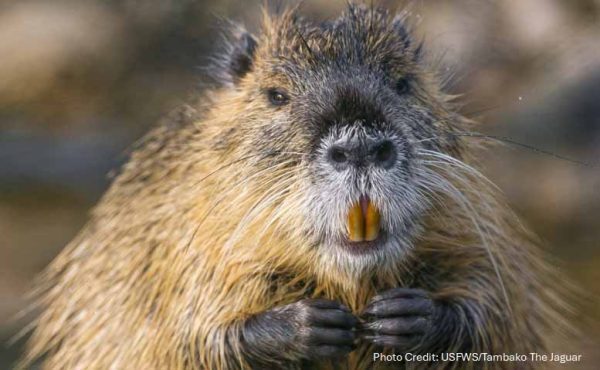
Chesapeake Bay Nutria Eradication Program
Submit any nutria sightings to help track this invasive species’ spread in Virginia’s wetlands.
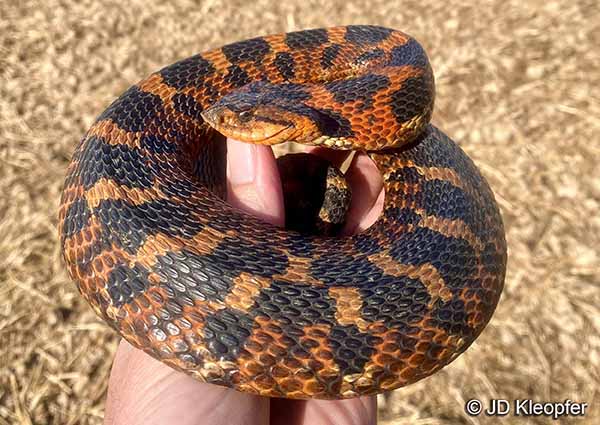
Operation Hognose
Let DWR know if you spot an Eastern hog-nosed snake to support monitoring of this declining species.
Citizen Science Tools

Share your bird observations in eBird to help DWR track population trends and guide bird conservation efforts.

Upload wildlife observations to iNaturalist to support statewide biodiversity projects and inform conservation decisions.